Helping Young Athletes Overcome Sports Performance Anxiety in Phoenix, Scottsdale & Chandler, AZ
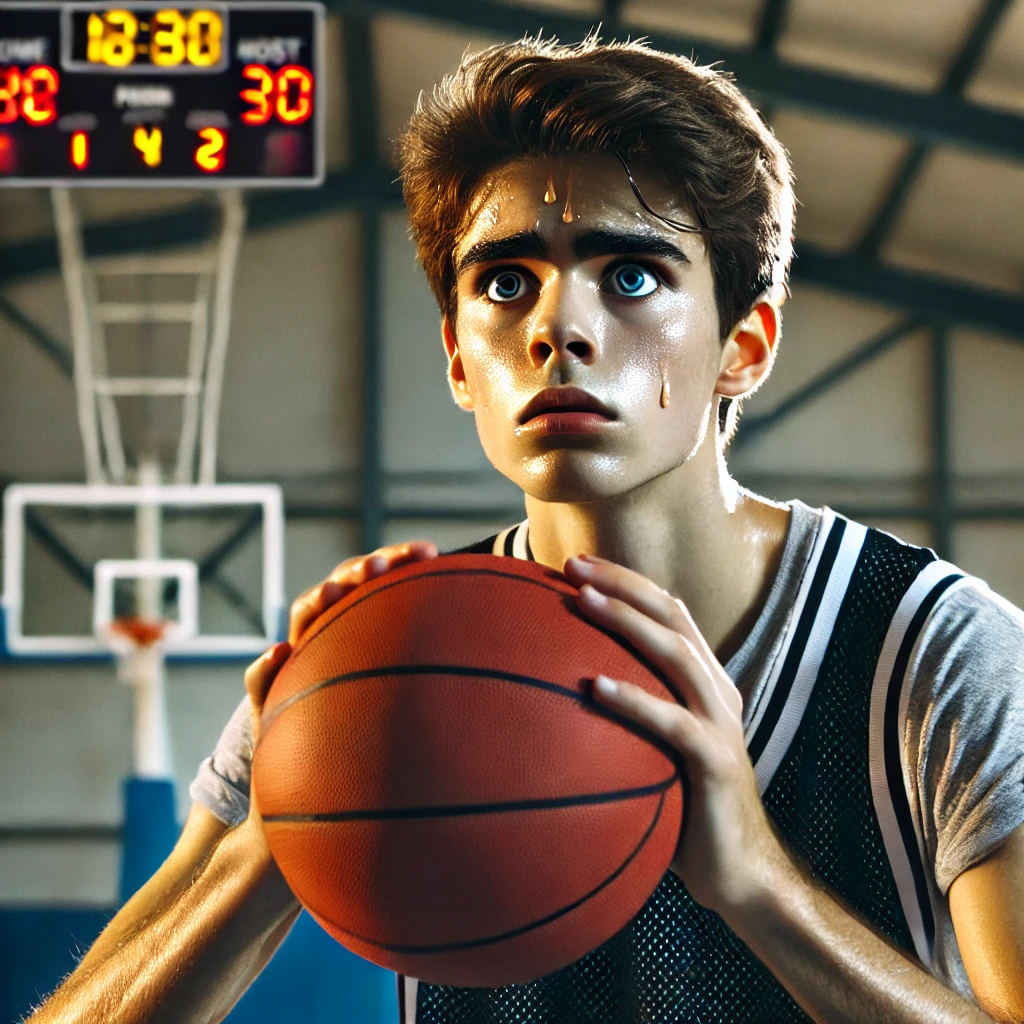
Is your child struggling to reach their full potential in sports because of anxiety or bad habits like poor sleep, negative thinking, or unhealthy routines? You’re not alone. Many talented young athletes face these challenges, and mental training is often the missing piece to help them perform with confidence.
If your child or teen is in Phoenix, Scottsdale, or Chandler, AZ, and you’re searching for ways to help them manage sports anxiety, boost their performance, and build mental toughness, there are proven strategies that can help. Mental training, combined with healthy habits, can unlock the best version of your child—both on and off the field.
How Anxiety Impacts Sports Performance
Mentally, negative thinking and fear of failure create a vicious cycle. For example, if your child misses a big shot and thinks, “I’ll never be good enough,” they’re more likely to hesitate next time, reinforcing that belief.
Signs Your Child Might Be Struggling with Sports Anxiety:
- Avoiding games or practice
- Constantly criticizing themselves or striving for perfection
- Experiencing physical symptoms like headaches, stomachaches, or sleep issues
- Focusing on what could go wrong instead of what they can control
Mental Training Tools for Young Athletes
Sports performance isn’t just physical—mental preparation is essential. Here are some of the most effective tools to help your child build confidence and overcome mental blocks:
1. Visualization (VMBR)
How to Try It: Encourage your child to close their eyes and picture themselves succeeding—making the shot, swinging the bat confidently, or nailing their routine.
2. Cognitive Behavioral Therapy (CBT)
3. Mindfulness & DBT Skills for Emotional Regulation
Mindfulness keeps kids focused on the present moment, preventing overthinking or worrying about outcomes. DBT (Dialectical Behavior Therapy) skills—like deep breathing, distress tolerance, and grounding exercises—help them calm down and regain focus during high-pressure situations.
The Importance of Sleep, Diet & Healthy Habits in Sports Performance
Mental training isn’t enough without the basics: sleep, nutrition, and self-care. Poor habits can sabotage even the most talented athletes. Here’s how to help your child stay on track:
1. Sleep for Peak Performance
Sleep is critical for recovery and focus. Kids and teens need 8–10 hours of sleep per night to reduce anxiety and improve physical and mental performance.
Sleep Tips:
- Stick to a consistent sleep schedule
- Avoid screens before bed
- Create a calming bedtime routine (breathing exercises, reading, or journaling)
2. Nutrition for Energy and Focus
Food is fuel. Eating processed snacks and sugary drinks can lead to energy crashes and mood swings, making it harder to stay focused during games.
Focus on:
- Whole foods like fruits, vegetables, lean proteins, and healthy fats
- Staying hydrated
- Balanced pre-game snacks (carbs + protein) for sustained energy
3. Physical Activity & Rest Balance
Balance is key. While sports practice is important, overtraining can lead to burnout and injury. Encourage active recoveryactivities like stretching, yoga, or light cardio to promote recovery.
Supporting Your Young Athlete’s Mental Health in Phoenix, Scottsdale & Chandler, AZ
When your child feels stuck—whether it’s anxiety, perfectionism, or fear of failure—it affects more than just their sport. It can spill into school, friendships, and self-esteem. Mental training isn’t just about improving performance; it’s about helping your child feel confident, resilient, and ready to take on life’s challenges.
At LifeworksAZ Child Therapy and Counseling, we specialize in helping kids and teens manage sports performance anxiety, build mental toughness, and develop healthy habits for long-term success. Whether your child is struggling on the soccer field, the basketball court, or the baseball diamond, we’re here to help.
